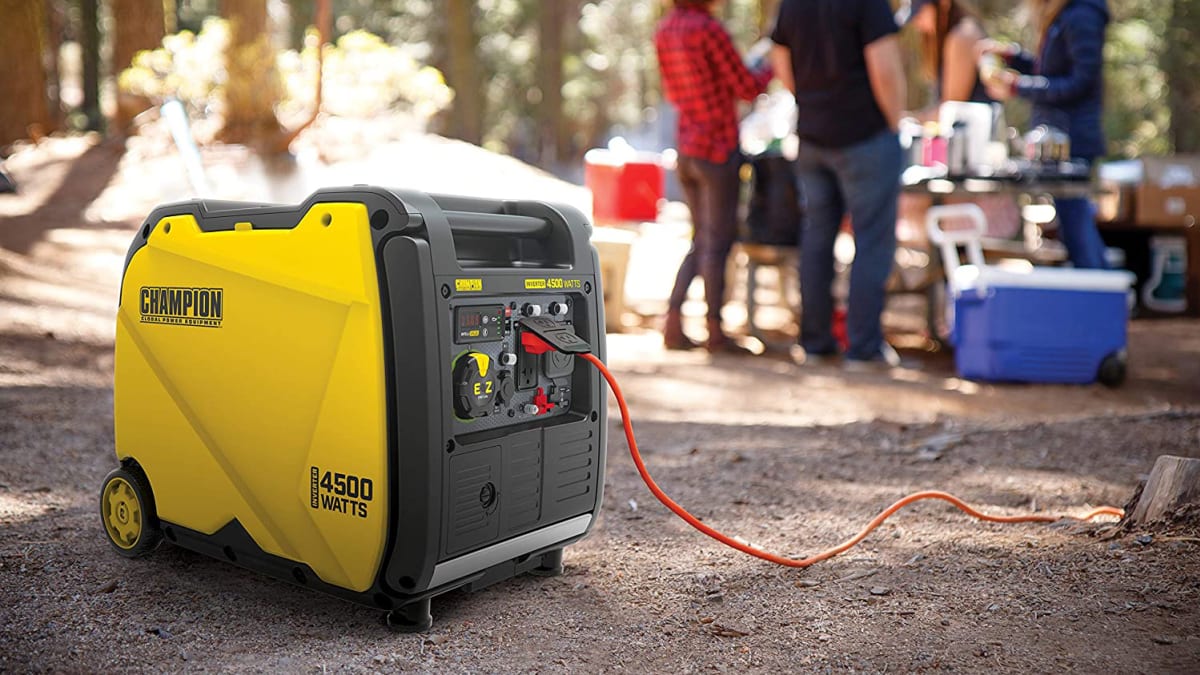
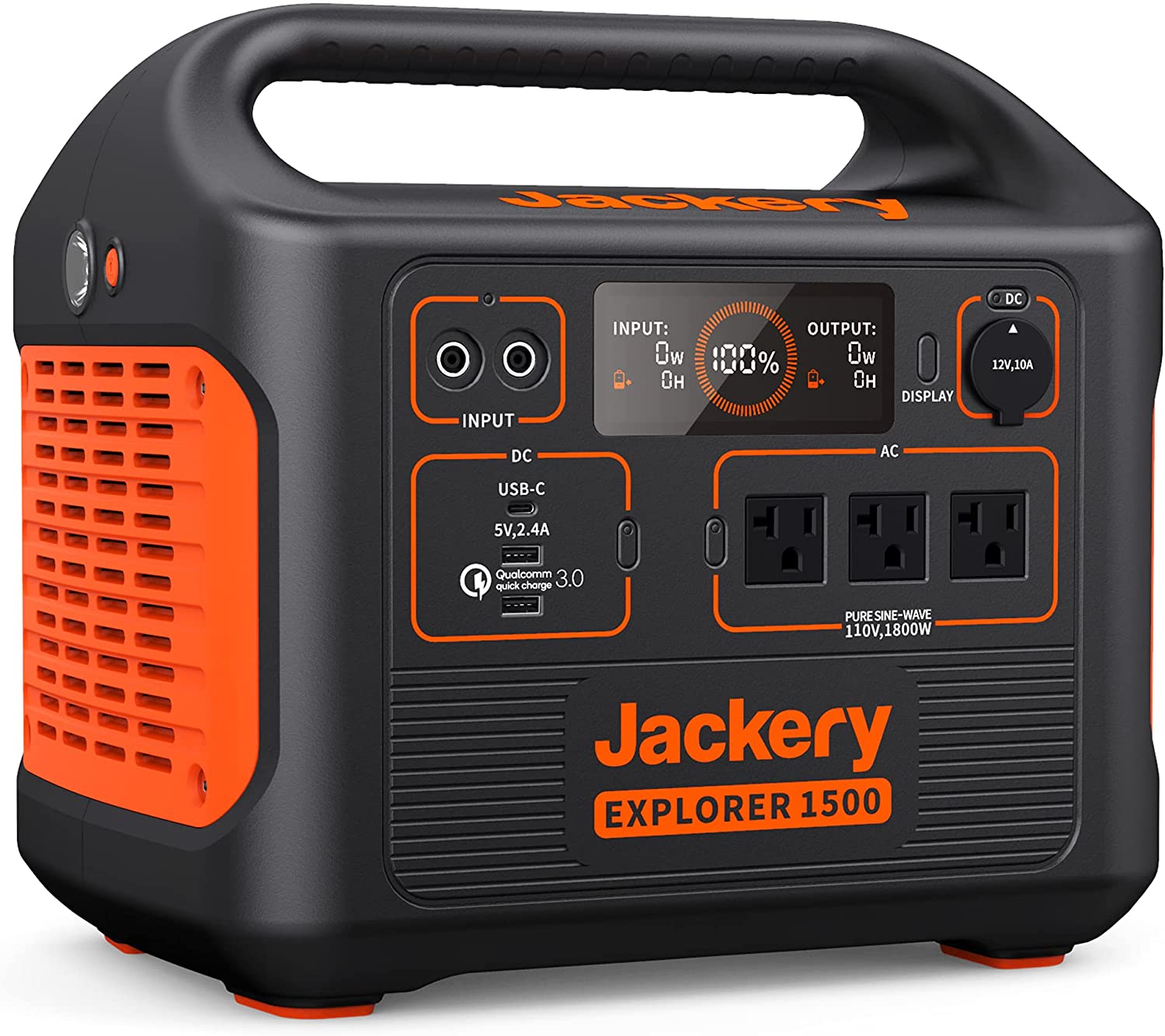
Understanding the basics of portable generators is essential for anyone seeking a reliable source of backup power. These versatile devices are designed to provide electricity in situations where access to the grid is limited or nonexistent. Portable generators offer convenience and flexibility, allowing users to power various appliances and devices wherever they may be. By grasping the fundamental concepts behind how portable generators work and their key components, individuals can make informed decisions when selecting the right generator for their needs.
When it comes to choosing between portable generators and standby generators, understanding their differences and advantages is crucial. As mentioned in the previous paragraph, portable generators offer convenience and flexibility, allowing users to power appliances and devices even in off-grid situations. However, for a more comprehensive backup power solution, standby generators come into play. These larger and more powerful generators are typically permanently installed and automatically activate during power outages, providing seamless and uninterrupted electricity. Considering the various options available, it is helpful to consult trusted sources like Sos Survival Products for expert advice and a wide selection of portable generators and standby generators to meet specific needs.
When it comes to exploring the key features and benefits of portable generators, you'll find a wide range of functionalities that make these devices an invaluable asset. Portable generators are designed to provide reliable power on the go, allowing you to tackle various tasks and enjoy outdoor activities without worrying about electricity. With their compact size and ease of transportation, these generators offer convenience and flexibility. From powering essential appliances during power outages to energizing tools and equipment at remote job sites or campsites, portable generators provide a versatile and efficient solution. Additionally, their advanced features such as multiple outlets, fuel efficiency, and noise reduction contribute to their appeal, making them a must-have for both recreational and emergency situations.
When selecting a portable generator, it's important to consider several factors to ensure that it meets your specific requirements. The power output is a crucial consideration as you need to determine the wattage needs of the appliances and devices you plan to power. It's essential to choose a generator with the appropriate capacity. Additionally, the fuel type should align with your preferences and accessibility. Consider options like gasoline, propane, or diesel. Runtime and fuel efficiency play a significant role in determining how long the generator can operate on a full tank of fuel. Portability features, including weight and size, should be assessed based on your transportation needs. Noise level is another aspect to consider, particularly if you'll be using the generator in noise-sensitive environments. Start mechanism options, such as recoil or electric start, should be evaluated based on your preference and ease of use. Ensuring that the generator has the necessary outlets and connectivity options is important to accommodate your devices and appliances. Safety features, including low oil shutdown, circuit breakers, and overload protection, provide added protection for both the generator and connected devices. It's advisable to research reputable brands with a strong reputation for quality and reliability. Considering the warranty coverage provided for the generator is also essential. Finally, determining your budget range will help you explore generators that offer the best combination of features and value within that range.
When it comes to portable generators, there are various pros and cons to consider before making a decision. On the positive side, portable generators offer convenient and flexible power solutions, allowing users to easily move them to different locations. They provide a reliable source of backup power during emergencies and power outages, ensuring essential appliances and devices can continue to function. Portable generators are also versatile, capable of powering a range of devices, from small electronics to larger appliances. However, it's important to be aware of the drawbacks as well. Portable generators typically have limited power output compared to standby generators, which means they may not be able to support heavy loads or power an entire household. They also require regular refueling and maintenance, and noise levels can be a concern, especially in residential areas. Understanding the pros and cons of portable generators will help individuals make informed decisions based on their specific needs and circumstances.
Introducing standby generators, the ultimate power solution designed to provide uninterrupted electricity during emergencies and extended power outages. These remarkable machines function as a backup power source that automatically activates when the main power supply fails. With their robust construction and advanced technology, standby generators offer a seamless transition to backup power, ensuring that essential appliances and critical systems remain operational. Equipped with powerful engines and built-in transfer switches, they can swiftly detect power interruptions and restore electricity within seconds. Standby generators are capable of supplying electricity to an entire home or business, making them an indispensable asset for those who prioritize safety, comfort, and productivity. Explore the incredible functionality of standby generators and discover the peace of mind that comes with knowing you'll never be left in the dark.
Features |
Portable Generators |
Standby Generators |
|---|---|---|
| Primary Function | Provide temporary backup power | Provide seamless, automatic backup power |
| Power Output | Varies based on model and wattage | High power output, capable of supplying entire households or businesses |
| Portability | Designed for easy transportation and mobility | Typically permanently installed and stationary |
| Automatic Activation | Manual startup required | Activates automatically during power outages |
| Transfer Switch | May require external transfer switch | Built-in transfer switch for seamless power transition |
| Usage | Suitable for temporary power needs, outdoor activities, and small-scale backup | Ideal for long-term backup power, large-scale backup, and critical systems |
| Installation | Simple setup, plug-and-play operation | Professional installation recommended |
| Fuel Source | Various options: gasoline, propane, diesel | Connected to a permanent fuel source (e.g., natural gas, propane) |
| Cost | Relatively affordable compared to standby generators | Higher initial cost due to advanced features and installation |
| Maintenance | Regular maintenance required | Regular maintenance recommended |
Unleashing the full potential of standby generators can bring a multitude of key features and advantages to the table. These robust powerhouses offer a reliable and automatic backup power solution, ensuring uninterrupted electricity during outages. With their high power output and ability to supply an entire household or business, standby generators can keep essential appliances and systems running smoothly. Their seamless activation and built-in transfer switch eliminate the need for manual startup and enable a swift transition to backup power. Standby generators, typically connected to a permanent fuel source, provide a constant and uninterrupted power supply, giving peace of mind in critical situations. Their professional installation ensures optimal performance and their regular maintenance ensures longevity. All these exceptional attributes make standby generators an invaluable investment, ready to safeguard your comfort and productivity when the unexpected strikes.
Navigating the intricate landscape of selecting a standby generator requires a thoughtful evaluation of several key factors. The first aspect to consider is the power capacity of the generator, aligning it with your specific energy requirements. Assessing the fuel type options available, such as propane or natural gas, ensures compatibility with your existing setup. Runtime and fuel efficiency play crucial roles, determining the generator's ability to sustain power for extended periods and optimize fuel consumption. The transfer switch's type and functionality, whether automatic or manual, warrant careful consideration for seamless power transfer. Noise levels should be taken into account, especially if the generator will be installed in noise-sensitive areas. Safety features like low oil shutdown and overload protection are paramount to safeguarding the generator and connected devices. Lastly, exploring reputable brands and their warranty offerings adds an extra layer of reliability and peace of mind to the decision-making process. By skillfully weighing these factors, you can unlock a standby generator that perfectly aligns with your power backup needs.
When it comes to reliable backup power solutions, standby generators offer a range of advantages and disadvantages to consider. On the positive side, standby generators provide seamless and automatic power supply during outages, ensuring uninterrupted electricity to your home or business. These generators are typically more powerful than portable alternatives and can handle heavy loads, making them suitable for powering essential appliances and systems. Additionally, standby generators are permanently installed, eliminating the need for manual setup and fuel refills. However, there are some drawbacks to keep in mind. Standby generators are generally more expensive to purchase and install compared to portable options. They require professional installation and regular maintenance to ensure optimal performance. Furthermore, standby generators rely on an external fuel source, such as natural gas or propane, which may have availability limitations. Understanding these pros and cons will help you make an informed decision when considering standby generators for your power backup needs.
Choosing the ideal generator that perfectly aligns with your specific requirements can be a complex decision. With various factors to consider, it is crucial to determine the right generator option for your needs. By carefully assessing factors such as power output, fuel type, runtime, portability, noise level, start mechanism, outlets and connectivity, safety features, brand reputation, warranty, and budget, you can make an informed choice. Understanding the benefits and limitations of different generator types, such as portable generators and standby generators, will further aid in your decision-making process. With the right generator in place, you can ensure reliable backup power and peace of mind, no matter the circumstances.
After carefully weighing the key factors and examining the pros and cons of portable generators and standby generators, it's time to make the final decision. The choice between these two options ultimately depends on your specific needs and requirements. Portable generators offer convenience, flexibility, and the ability to power appliances and devices in off-grid situations. On the other hand, standby generators provide a comprehensive backup power solution with automatic activation and seamless electricity during outages. Consider the power output, fuel type, runtime, portability, noise level, start mechanism, outlets, safety features, brand reputation, warranty, and budget when making your decision. Evaluate your priorities, assess the available options, and choose the generator that best aligns with your power needs and preferences. With the right generator option in place, you can have peace of mind knowing that you are prepared for any power interruptions that may come your way.
Portable generators are typically smaller, lightweight, and designed for temporary use, providing power on the go. They are suitable for outdoor activities, camping, and as backup power during emergencies. Standby generators, on the other hand, are larger, permanently installed units that can power an entire home or business during a power outage. They are connected to the electrical system and automatically activate when the main power supply is interrupted.
For residential use, standby generators are generally more suitable. They offer a seamless and automatic power supply during outages, ensuring essential appliances and systems continue to function. Portable generators can also be used for residential purposes but are better suited for specific needs, such as powering a few essential appliances or outdoor activities.
Several factors should be considered when choosing between a portable generator and a standby generator. These include the power requirements, duration of backup power needed, budget, ease of installation, fuel availability, noise level, and portability requirements. It is important to assess your specific needs and circumstances to make an informed decision.